
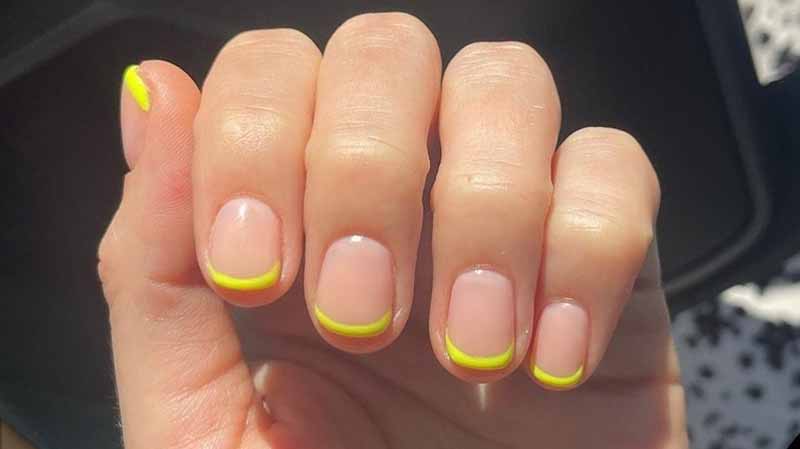
I used to believe that long, dramatic nails were the only way to have elegant hands. I spent years trying to grow my nails past my fingertips, only to watch them break, chip, or peel at the worst moments. Then I discovered the quiet sophistication of short nails—and I never looked back.
Short nails are practical, professional, and surprisingly elegant. Here is everything I have learned about why short nails are a great choice, how to prepare and trim them correctly, the best colours for short nails, and what to do when you cut them a little too short.
Why Choose Short Nails?
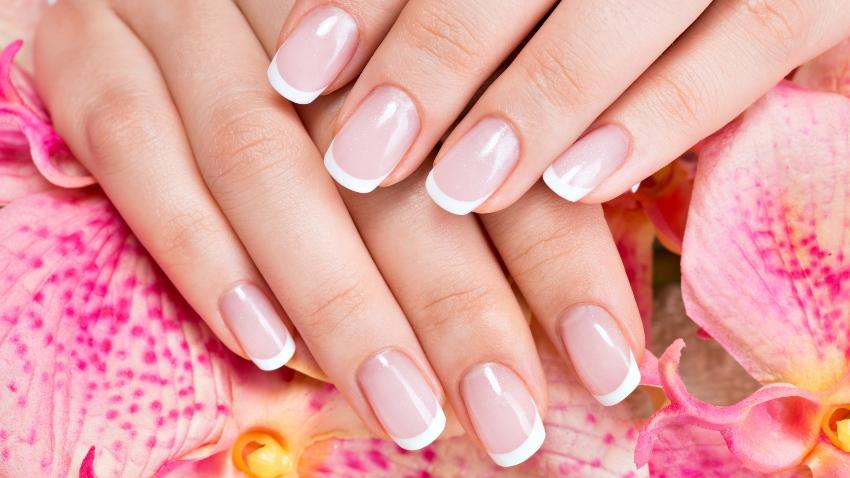
There is a quiet confidence that comes with short, well-groomed nails. They project a sense of practicality, professionalism, and self-assurance that long nails sometimes lack. Short nails say: “I am put together, but I am also busy, capable, and not afraid to use my hands.”
Short nails are also inherently low-maintenance. They are less likely to snag, break, or interfere with daily tasks. This practicality gives them a timeless appeal that transcends trends. A neatly shaped short nail looks polished and intentional—never trying too hard.
In many professional settings, short nails are the standard. They are neat, hygienic, and do not distract from the work at hand. In a world of maximalist nail art, a clean, short nail stands out by its restraint. It is the nail equivalent of a well-tailored blazer or a classic watch: understated, elegant, and always appropriate.
How to Prepare Short Nails Before a Manicure?
Proper preparation is essential for a flawless finish, especially on short nails where every detail is visible.
Step 1: Remove old polish. Start with clean, bare nails. Use a gentle, acetone-free remover to avoid drying out the nail plate.
Step 2: Wash your hands. Wash your hands with warm water and a gentle soap to remove any residue from the remover. Dry thoroughly, especially between fingers.
Step 3: Assess your nails. Take a moment to look at your nails. Are they strong or peeling? Any ridges or discoloration? This helps you choose the right products and focus areas for the rest of the manicure.
Step 4: Push back cuticles. Short nails often have more visible cuticle area. Soak your fingertips in warm water for a few minutes, then gently push back cuticles with a wooden stick. Never cut living cuticle—it is your nail’s protective seal.
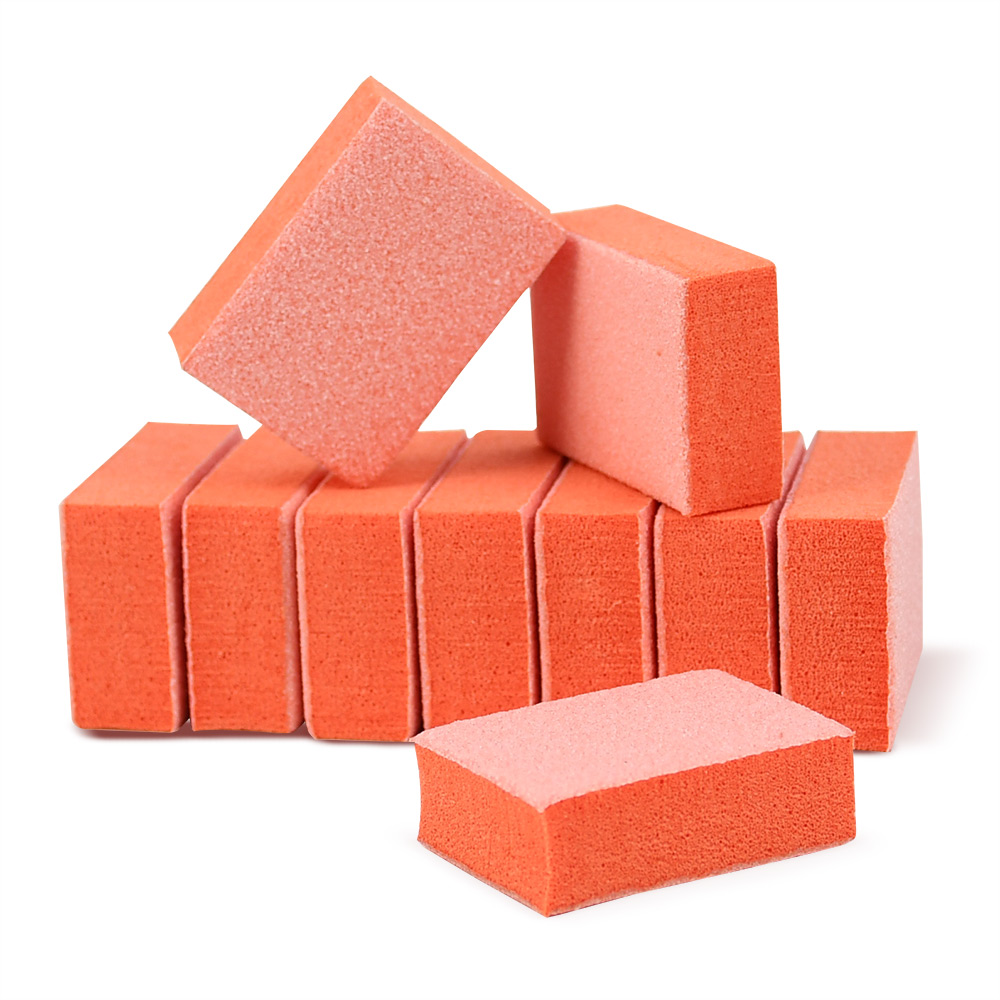
Step 5: Lightly buff. Use a fine nail buffer to gently remove shine and smooth ridges. Two or three gentle passes are enough. Do not over-buff—short nails are more prone to thinning.
Step 6: Cleanse. Wipe each nail with rubbing alcohol on a lint-free wipe. This removes oils, dust, and residue, ensuring your polish adheres properly.
How to Trim Short Nails Correctly?
Trimming short nails well is about precision, not length. Here is how to achieve a clean, professional shape.
Start with clean, dry nails. Remove any old polish. Wash your hands and dry them thoroughly. Wet nails are soft and can tear when filed.
Choose your shape. The most flattering shapes for short nails are squoval (square with rounded corners), round, or oval. Squoval is the most popular because it is durable, practical, and universally flattering.
File in one direction. Use a fine-grit file (240+) and file from the outer edge toward the centre. Never saw back and forth—this creates micro-tears that lead to peeling. For a squoval shape, file the tip straight across, then gently round the corners. For a round shape, file the tip straight across, then round the corners completely to follow the curve of your fingertip
Check symmetry. Look at your nails from multiple angles. Both sides should be even and balanced.
Smooth the edges. Run your finger along the edge of each nail. If you feel any roughness, file gently until smooth.
Avoid over-filing the sidewalls. Filing too aggressively at the sides can weaken the nail structure and increase the risk of ingrown nails. Follow the natural curve of your nail bed.
The Best Nail Polish Colours for Short Nails
The right colour can make short nails look longer, more elegant, and more polished.
Nudes and neutrals. A classic nude polish that matches your skin tone creates the illusion of length and looks clean, professional, and timeless. Opt for a shade that is slightly lighter or slightly darker than your natural skin tone for the most flattering effect.
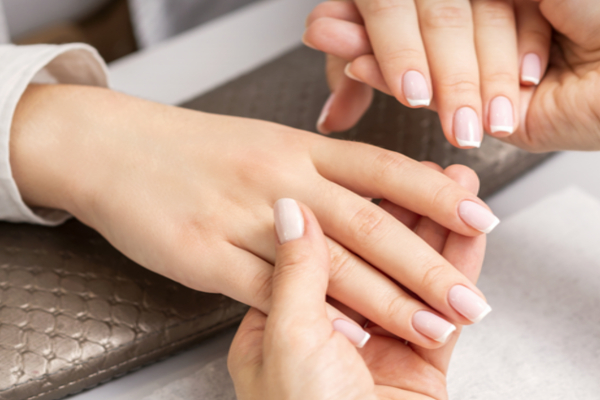
Sheer pinks and milky whites. These “your nails but better” shades make short nails look healthy and well-groomed. They add a subtle, polished finish without drawing attention to the nail’s length.
Deep, rich shades (burgundy, navy, emerald). Contrary to popular belief, dark colours do not “shorten” nails. In fact, deep shades can make short nails look chic and intentional, especially when paired with a glossy top coat.
Avoid stark whites and fluorescent neons. These colours can draw attention to the nail’s short length and make it appear smaller. If you love neon, try it as an accent toe colour rather than on your fingers.
Glossy finishes. A high-gloss top coat adds shine and makes short nails look polished and professional. Matte finishes can sometimes make short nails appear dull.
What to Do If You Cut Your Nails Too Short?
We have all been there—trimming a nail and realising you have gone too far. Here is what to do.
Do not panic. A cut nail is not a disaster. It will grow back, and in the meantime, there are steps you can take to protect it.
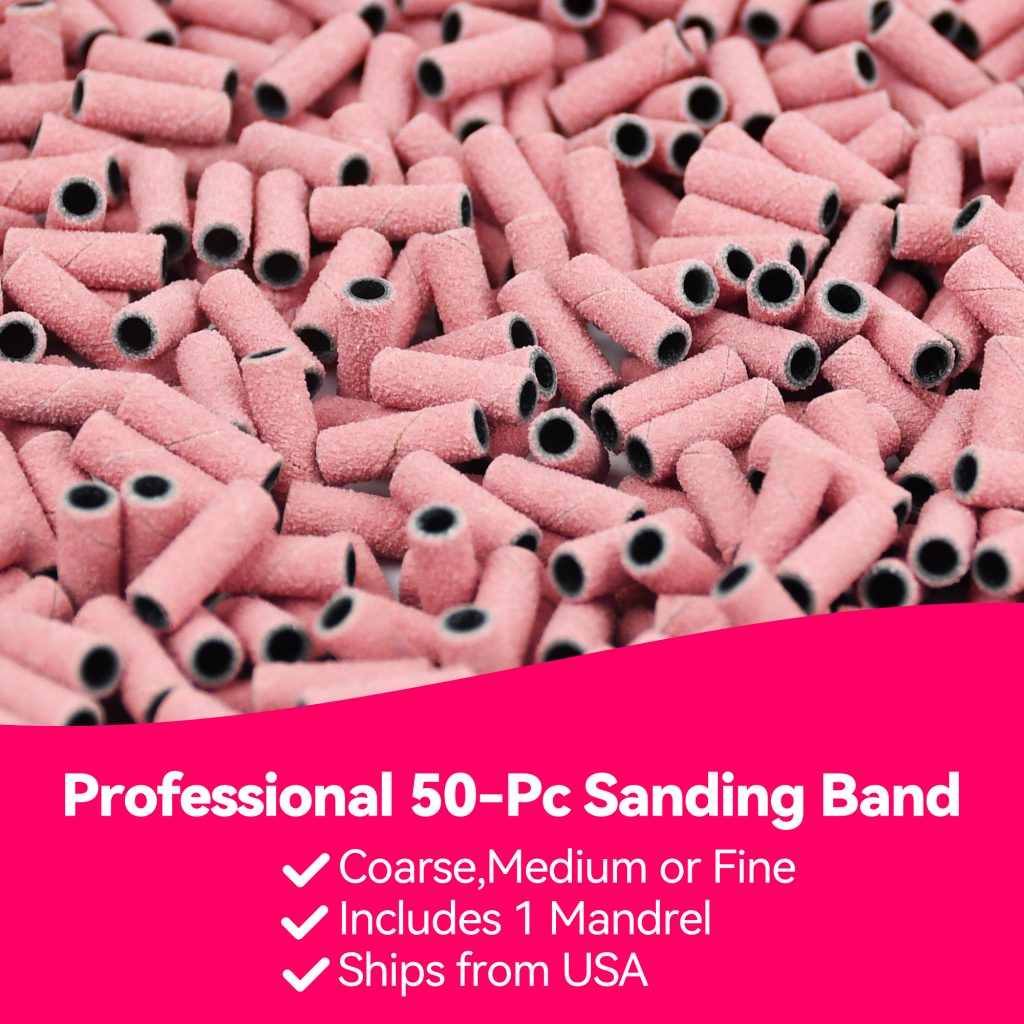
Smooth the edges. Use a fine-grit sanding band to gently smooth the edges of the cut nail. A sharp edge is more likely to catch and tear.
Apply a strengthener. A keratin-based or calcium-based strengthener can provide temporary protection and support.
Keep it clean. A short nail is more vulnerable to trauma. Keep it clean and dry to prevent infection.
Be patient. Nails grow at an average rate of 3 millimeters per month. A cut nail will grow back to its original length in a few weeks.
Protect it. If the nail is cut very short and the skin is exposed, cover it with a bandage to protect it from pressure and trauma.
The Bottom Line
Short nails are not a compromise—they are a choice. They are practical, professional, and quietly elegant. With the right shape, consistent care, and thoughtful colour choices, short nails can be just as beautiful—and often more sophisticated—than long nails. Embrace the length you have, and let your nails speak for themselves. And if you ever cut them too short, remember: patience, protection, and a little strengthening cream will see you through.
Read also: The French Manicure: A Complete Guide to the Timeless Classic

One thought on “The Art of Short Nails: Why They’re Great and How to Master Them”